DRAFT Public Participation Plan
WFRC Public Participation Plan
Draft 2026
“Public participation is an integral part of the transportation process, which helps to ensure that decisions are made in consideration of and to benefit public needs and preferences. Early and continuous public involvement brings diverse viewpoints and values into the decision-making process.
This process enables agencies to make better-informed decisions through collaborative efforts and builds mutual understanding and trust between the agencies and the public they serve.”
- US Department of Transportation, Federal Highway Administration
As stated by and in accordance with the U.S. Department of Transportation 23 CFR 450.316, a Metropolitan Planning Organization (MPO) is required to lead a transportation planning process that creates opportunities for public involvement, participation, and consultation throughout the development of the Regional Transportation Plan (RTP) and Transportation Improvement Program (TIP). The Wasatch Front Regional Council (WFRC) is responsible for coordinating this planning process as the designated Metropolitan Planning Organization (MPO) for Davis, Salt Lake, Weber, and southern Box Elder Counties, and will facilitate the following:
- adequate public notice of public participation activities;
- opportunities for engagement at early and key points in the transportation planning process; and
- multiple, accessible participation formats, including electronic and in-person.
To that end, WFRC has developed this Public Participation Plan (PPP) to be used in the development and adoption of the RTP, TIP, and the Unified Planning Work Program (UPWP), as well as other plans and programs to enable residents of the Wasatch Front region to participate in the transportation planning process. The PPP will be reviewed and updated as needed every three years and in association with the Title VI plan. During this review, the public involvement process will be updated to mitigate barriers to successfully engage all populations in regional decision-making and adhere to all requirements as stated in Title VI policies. When this PPP is updated, a 45-day (minimum) period will be provided for public comment.
Transportation Improvement Program (TIP)
Updated once a year, the TIP provides a carefully reviewed prioritization of and plan for funding regional roadway, transit, bicycle, and pedestrian improvement projects over the next six years. Before the annual adoption of the TIP and full amendments that require air quality conformity analysis, WFRC will undertake the following steps. Amendments not requiring a new air quality conformity analysis are described later in this section.
Before the adoption of the TIP, WFRC will undertake the following steps:
- The draft TIP and full amendments will be developed through appropriate WFRC committees and in coordination with the Utah Department of Transportation (UDOT) and Utah Transit Authority (UTA).
- Communication describing the draft TIP or full amendment, along with tables describing highway, transit, bicycle, and pedestrian improvement projects, will be distributed to organizations and individuals with known interests in regional transportation projects and programs. These include types of organizations listed in the Community Outreach section of the PPP. Hard copies will also be made available upon request.
- The TIP will show projects in an online and/or static regional map(s). Projects will also be individually listed in project tables. A copy of the draft TIP and the analysis showing air quality conformity with the State Implementation Plan (SIP) will be available at WFRC’s office and on its website.
- Public notice that the draft TIP or full amendment is available for review will be provided on WFRC’s website, newsletter, and/or social media, and on the Utah Public Notice website.
- Open house format opportunities for public engagement will be held during the comment period to obtain input on the draft TIP. These opportunities will be advertised on, but not limited to, WFRC’s website, newsletter, and social media. An opportunity for the public to ask questions and provide oral or written comments will be provided.
- Comments may also be submitted online or by email, telephone, or mail, as well as in person at either a Transportation Coordinating Committee (Trans Com) meeting, when the TIP or amendments are recommended for approval, and/or at a WFRC Council meeting, when the approval action is taken. An electronic and/or hard copy file will be kept of all comments received and made available to interested parties upon request.
- Press releases, including invitations to the public to comment online and via other means regarding the draft TIP, will be issued, and media coverage will be encouraged.
- WFRC has and will continue to coordinate with UTA to ensure that the procedures established satisfy the requirements of public participation in the development of transit programs and projects and grant application requirements.
- Following the comment period, Trans Com and/or the WFRC Council will be given the opportunity to review comments received, a summary of the comments and summary-level responses, and to make a recommendation for any changes to the TIP if needed. If the changes are significant and require a new air quality conformity analysis, an additional 30-day (minimum) comment period will be provided. The public will be informed of the changes to the TIP. Only changes requiring a new air quality conformity analysis will be re-advertised.
- The WFRC Council will typically provide final approval of the TIP at its August meeting.
- WFRC will annually prepare a list of projects that have obligated federal funds during the previous federal fiscal year. This list will be presented to Trans Com and/or the WFRC Council, placed on WFRC’s website, and emailed to interested parties upon request.
- Over the course of a year, it is often necessary to amend the TIP to reflect project modifications that do not require an air quality conformity analysis. In this case, the Federal Highway Administration (FHWA), UDOT, UTA, and WFRC have agreed that comments will be accepted at the Trans Com or WFRC Council meetings before an action to amend. Additionally, minor changes that do not require action by Trans Com or the WFRC Council may be made at the staff level.
Regional Transportation Plan (RTP)
Developed every four years to reflect the dynamic and ever-changing needs of the region, the RTP identifies transportation projects needed over the next 20 or more years. Public input and comment will be solicited throughout the four-year development process of the RTP. However, specific efforts will be made at the beginning of the process to identify issues of importance to the public, in the middle of the process, and at the end of the process to obtain comments on the recommended Draft RTP document, draft projects, and supporting Draft Air Quality memorandum.
Before the adoption of the RTP, WFRC will undertake the following steps:
- Correspondence will be distributed to various stakeholder groups, notifying them that the RTP is to be updated and asking for their input regarding transportation issues to be considered and addressed. These include types of organizations listed in the Community Outreach section of the PPP.
- As the RTP approaches completion, WFRC shall conduct a public comment period of no less than 30 days. WFRC will inform the public of this opportunity in a variety of ways, including but not limited to via the website, social media, the Utah Public Notice Website, and newsletter.
- WFRC may hold one or more open houses during the key comment periods (beginning and near completion) to obtain input on the draft RTP.
- Comments may be submitted online, by email, telephone, mail, and/or in person at the Regional Growth Committee (RGC) and/or WFRC Council meeting. An electronic and/ or hard copy file will be kept of all comments received and made available to interested parties upon request.
- Visual representations of the draft RTP will be available at WFRC’s office and on its website.
- News releases, including invitations to the public to comment online and via other means regarding the elements of the RTP, will be issued.
- Following the comment period, comments and responses will be included in an Appendix, and verbal summaries will be provided at RGC and/or Council before they consider the adoption of the RTP.
- As part of the outreach program, elected officials and staff, transportation partners, regional planning organizations, related industry and interest groups, and the public will be solicited for input on draft portions of the RTP. This may take the form of workshops held throughout the WFRC MPO area or online stakeholder meetings.
- If significant changes are made to the draft RTP following the 30-day public comment review as mentioned in Item 2 that introduce new issues not previously available for public comment, WFRC may provide an additional opportunity for public review and comment before adoption.
Unified Planning Work Program
The Unified Planning Work Program (UPWP) is developed each year and describes all activities that may be undertaken to plan an effective regional transportation system within the WFRC Metropolitan Planning Area. The UPWP includes transportation planning activities scheduled for completion by WFRC, UDOT, and UTA during the current fiscal year.
Before the adoption of the UPWP, WFRC will undertake the following steps:
- A notice will be posted on WFRC’s website, newsletter, and/or social media, and on the Utah Public Notice Website to notify the public that the draft UPWP is available for review during a comment period.
- WFRC will notify relevant area stakeholders and government organizations of the availability of the draft UPWP and solicit comments.
- Comments may be submitted by email, telephone, or mail, or in person. An electronic and/or hard copy file will be kept of all comments received and made available to interested parties upon request.
Public Meetings
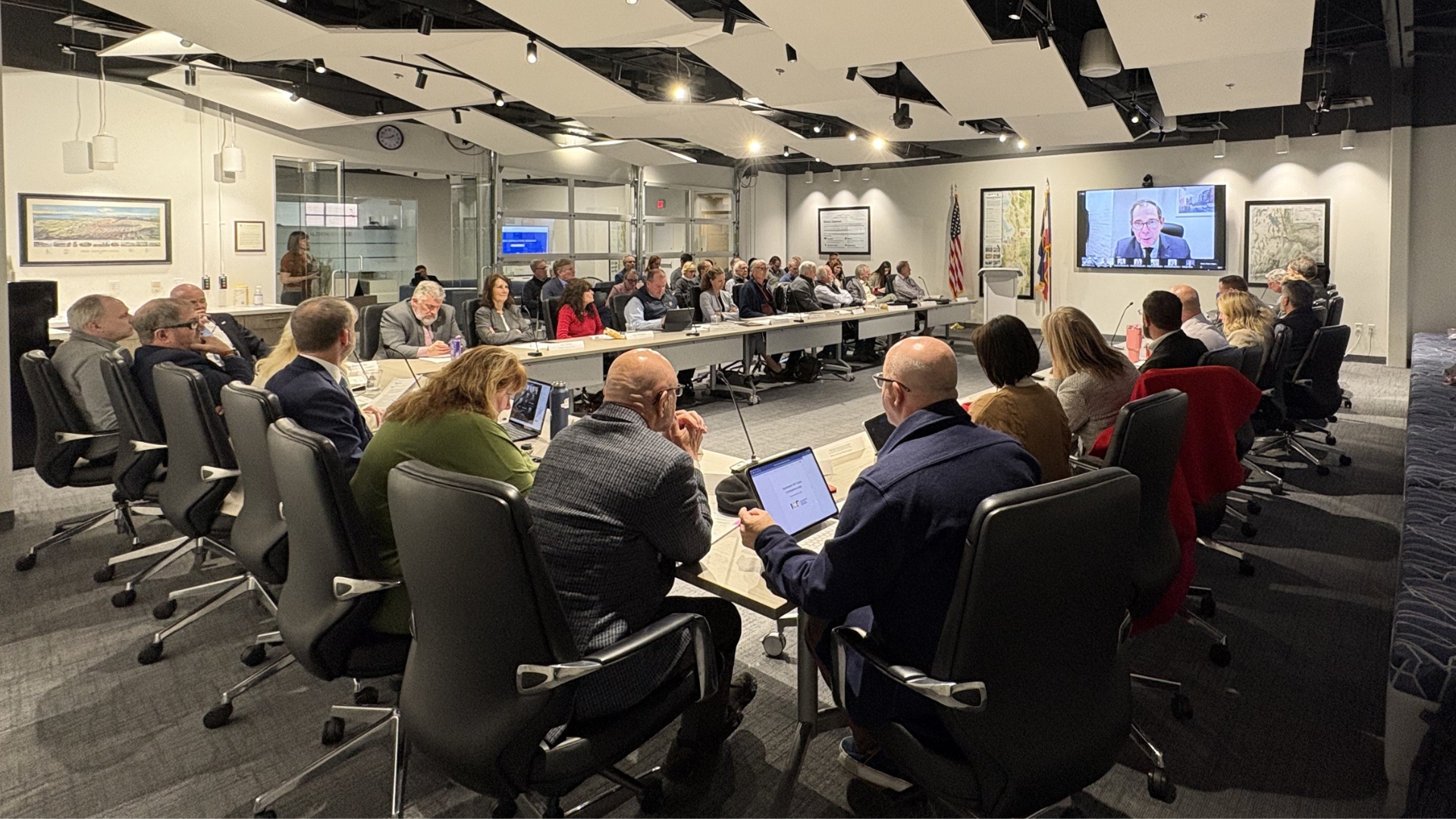
To ensure the opportunity for public participation, WFRC will hold public meetings in transit-friendly and Americans with Disabilities Act (ADA) accessible locations. WFRC works to ensure that public meetings are held at convenient locations and times, and considers transportation choices and schedules when setting meetings.
These open-house-format meetings will be held to receive input and inform. Public meetings may have a virtual meeting option (or take place completely virtually) for members of the public to join and participate. WFRC will note ahead of time which meetings are held completely virtual or with a virtual option (hybrid), with specific instructions as to how to join.
Website Policy
To provide transparency, access to information, and opportunities for public participation, WFRC maintains and regularly updates a responsive and accessible website. The website serves as a primary platform for sharing planning information, public notices, engagement opportunities, and opportunities for public review and comment.
Historical, general, policy, committee, vision, plan, program, public involvement, and contact information, as well as maps, data, studies, and reports, will be available on the website. Information related to committee meetings, including agendas, informational packets, recordings, minutes, and presentations, will be available for current and recent meetings. Archived plans, reports, meeting materials, and public involvement records will be maintained online when practical to support transparency and public access to planning information.
WFRC utilizes a variety of visualization tools to communicate complex planning information and support public understanding of regional issues and proposed investments. These tools may include ArcGIS Story Maps, interactive maps, static maps, charts, graphics, dashboards, videos, and other visual resources. When feasible, public engagement tools and materials will be provided in English and Spanish and may be translated into additional languages based on identified community needs and available resources.
The website will also serve as a central location for public involvement opportunities, including public notices, surveys, comment forms, draft plans, and other opportunities for public review and input. These opportunities may be promoted through WFRC's website, email distribution lists, social media channels, partner organizations, and other communication methods.
WFRC communication staff will oversee website content, maintenance, and updates in coordination with program staff. WFRC will strive to ensure website content is accessible to individuals with disabilities and will provide reasonable accommodations or alternative formats upon request.
To evaluate the effectiveness of its online engagement efforts and maintain website performance, WFRC will monitor website traffic, user engagement, and other available website analytics.
Social Media Policy
To communicate the needs and benefits of investing in Utah’s multi-modal transportation system and to continue to build relationships with local governments, transportation partners, community-based organizations, and the private sector, WFRC manages content for and regularly shares pertinent information via its social media platforms, including Facebook, LinkedIn, Instagram, and YouTube. WFRC will continue to review new outreach methods and opportunities.
All posts to WFRC’s social media platforms will be managed by WFRC communication staff. To monitor social media performance, WFRC will track its social media traffic by number of posts, reach, and engagement.
WFRC welcomes and encourages comments on its social media posts. However, to maintain a professional space where constructive communication can take place, WFRC enforces the following guidelines for user-generated content, and posts may be rejected or removed if the content:
- Contains obscenity
- Incites or promotes violence or illegal activities
- Contains spam or links to malware
- Promotes illegal discrimination (e.g., housing discrimination)
- Contains defamatory content
- Uses the copyrighted work of another
WFRC requests that official comments regarding a vision, plan, or program during a public comment period be submitted online (i.e., interactive map) or by email, telephone, mail, or in-person, rather than via social media comments, content, or posts.
Email Public Outreach Policy
Information regarding the needs and benefits of investing in Utah’s multi-modal transportation system, as well as WFRC’s vision, plans, programs, activities, and events, will be disseminated via regular email newsletters. Additionally, WFRC will maintain and evaluate individuals and organizations who are interested in transportation issues.
Content for and distribution of WFRC’s public outreach email will be managed by WFRC’s communication staff. In an effort to monitor the performance of its email campaigns, WFRC will track and compare its open rate, click-through rate, and subscriber growth to the industry average.
Outreach Materials
Community Outreach and Engagement
WFRC is committed to meaningful public involvement and will make a concerted effort to understand and consider the needs of all stakeholders. To support a balanced planning process, WFRC will actively engage local, state, and federal agencies; elected officials; WFRC committees; transportation, land use, and community organizations; educational institutions; business and industry groups; resource agencies; and members of the public.
WFRC and its Wasatch Choice Vision transportation partners (UDOT, UTA, Mountainland Association of Governments (MAG), and WFRC) will maintain ongoing relationships with community-based organizations and other interested stakeholders to ensure transportation and land use planning processes reflect the needs and priorities of the region's diverse communities. WFRC will maintain and regularly update a network of community organizations, advocacy groups, and other stakeholders to share public involvement opportunities, distribute planning information, and gather feedback throughout the development of regional plans, programs, and projects.
As part of this effort, WFRC will convene annual community engagement workshops during the development of the Regional Transportation Plan (RTP). These workshops are intended to promote meaningful participation, identify barriers to engagement, improve access to planning processes, and inform regional transportation and land use decisions. To encourage broad geographic participation, workshops will be held in different areas of the region, including the Salt Lake County area and the Ogden-Layton area. Additional meetings, focus groups, virtual engagement opportunities, or targeted outreach activities may be conducted as needed to reach specific populations, geographic areas, or stakeholder groups.
Participants will be invited to provide input on transportation and land use issues affecting their communities, review planning initiatives and proposed investments, identify barriers to participation, and recommend strategies to improve public engagement and communication.
In addition to in-person and virtual engagement opportunities, WFRC strives to make planning information accessible through online visualization and engagement tools. Interactive maps are used during the development of short- and long-range plans to provide project-specific information and opportunities for public comment. When feasible, these tools are provided in both English and Spanish and are promoted through WFRC's website, social media channels, email distribution lists, partner networks, and public notices.
Agency and Stakeholder Consultation
WFRC coordinates with a variety of public agencies, transportation providers, local governments, and stakeholder organizations throughout the transportation planning process. Consultation may occur through committee meetings, workshops, interagency coordination meetings, project partnerships, and direct outreach.
Organizations consulted may include local governments, UDOT, UTA, MAG, other planning organizations, economic development organizations, environmental and resource agencies, housing and community development organizations, educational institutions, public health agencies, freight and business interests, and other organizations with an interest in regional transportation and land use planning.
Consultation activities are intended to identify regional needs and priorities, improve coordination among partner organizations, and support informed decision-making throughout the development of regional plans, programs, and projects.
Americans with Disabilities Act
Title VI
Language Assistance
WFRC is committed to providing meaningful access to its planning processes for individuals with limited English proficiency (LEP). When appropriate and based on identified community needs and available resources, WFRC may provide translated materials, interpretation services, multilingual outreach materials, and other language assistance to support participation in regional planning activities.
Information regarding language assistance and translation requests will be made available through WFRC's website and public involvement materials.
Evaluation of Public Participation Activities
WFRC will periodically evaluate the effectiveness of its public participation efforts and make adjustments as needed to improve outreach and engagement. Evaluation may include review of participation levels, comments received, stakeholder feedback, website and social media analytics, survey participation, and engagement with traditionally underserved populations.
The results of these evaluations may be used to identify barriers to participation, improve outreach strategies, and inform future updates to this Public Participation Plan.
Any questions or comments regarding this plan should be directed to:
Johnnae Nardone
Communications Manager
Wasatch Front Regional Council
41 North Rio Grande Street, Suite 103
Salt Lake City, UT 84101
801-363-4250 x1102
johnnae.nardone@wfrc.utah.gov

Public Input opportunity! We are currently seeking public input on the revised Draft 2026 Public Participation Plan from July 1 through August 14, 2026. The Plan describes the many ways WFRC encourages early and continuous public involvement in regional transportation planning and decision-making. Comments may be submitted through this online form, by emailing communications@wfrc.utah.gov, by mail, or in person.
Contact
For additional information, please contact:

Johnnae Nardone
Communications Manager